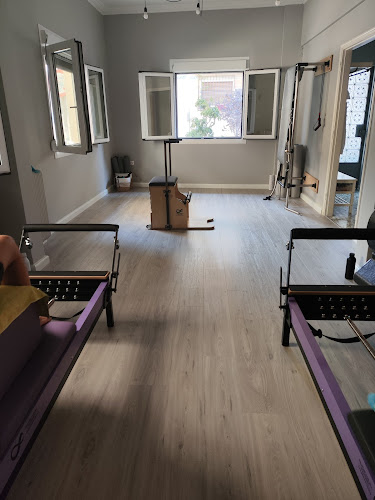

Group Class Dynamics in Pilates ✨
Understanding group Pilates class dynamics can help teachers create sessions that feel clear, connected, and energising for everyone in the room. Teaching groups is not just about cueing exercises—it is about reading energy, managing pace, and helping different people feel included at the same time.
This content-page guide explores the human side of group Pilates teaching, from flow and communication to confidence and community. You can go deeper with “Teaching Beginner Pilates Tips” and “Private Pilates Session Ideas” as you refine your teaching toolkit.
Why group dynamics matter in Pilates 🧘♀️
A well-run group class has a rhythm that helps students feel both individually supported and part of something bigger. When group dynamics are strong, students stay more engaged, transitions feel smoother, and the overall class experience becomes more motivating and memorable.
Quick highlight: Great group teaching is part movement coaching, part room-reading, and part community-building.
Key ingredients of strong group class dynamics 🔄
- Clear structure: A predictable class arc helps students settle in and follow more confidently.
- Inclusive cueing: Teach in a way that offers options for different levels without making anyone feel singled out.
- Energy awareness: Notice when the room needs more pace, more clarity, or a quick reset.
- Connection and warmth: A welcoming tone helps students feel safe enough to focus and enjoy the work.
These skills pair naturally with foundations from “Teaching Beginner Pilates Tips” and can be contrasted usefully with the one-to-one focus in “Private Pilates Session Ideas.”
Common group-teaching mistakes 🤔
- Teaching the plan rigidly without responding to the room in real time.
- Giving only one exercise level, which leaves part of the class over- or under-challenged.
- Letting transitions drag, which breaks energy and focus.
- Over-cueing so much that students become overwhelmed instead of supported.
- Ignoring the emotional atmosphere and focusing only on choreography.
💡 Pro tip: Before class starts, decide what feeling you want the room to have—energised, grounded, playful, focused—and let that guide your pace and tone.
How to improve your Pilates group classes ✅
Build your sessions around a clear flow, offering options that make the class accessible while still giving stronger movers room to grow. Practise concise cueing, watch the room more than your notes, and remember that your presence shapes the group just as much as the exercises themselves.
To sharpen these skills further, combine this topic with “Teaching Beginner Pilates Tips,” explore the contrast of one-to-one attention in “Private Pilates Session Ideas,” and strengthen your teaching base through “Pilates Certification Path Guide.” Over time, strong group dynamics can turn a good class into a studio experience students want to return to again and again.